
By Fiona Hicks, Head of Business Development at TerraCycle Australia and New Zealand
Roughly 28 million tonnes of valuable resources are going to waste in Australia each year, according to the 2022 National Waste Report.
This is particularly evident in certain material categories. For example, the Australian Packaging Covenant Organisation (APCO) found only 18 percent of plastic packaging was being recycled in 2020-21.
But there are solutions for this kind of hard-to-recycle waste. Government has a crucial role to play in connecting citizens with the services we need to keep this waste out of landfills, and reduce our dependance on virgin materials.
What are we already recycling?
When we dig into state and territory recycling and waste reuse, we can see what’s behind the headline figures.
For example, NSW households recycled roughly 1.86 million tonnes of rubbish through kerbside recycling bins, council clean-ups, and drop-off services in 2020-21, according to the NSW Environmental Protection Authority (EPA). This was an increase of 204,300 tonnes from 2019-20.
Additionally, the NSW EPA’s Waste Less, Recycle More initiative has increased the state’s recycling capacity by 2.7 million tonnes since its 2012 inception. The 2022 report showed a 41% reduction in litter and 55% reduction in illegal dumping, as well as food waste avoidance projects that resulted in 21 million meals being delivered to those in need each year.
What rubbish is still ending up in landfills?
Of the 4.04 million tonnes of domestic waste generated in NSW, 2.18 million tonnes ended up in landfills in 2020-21 – an increase of about 40,000 tonnes on the previous year.
The most recent review of the 2025 National Packaging Targets by APCO shows the common types of materials still ending up in landfills on a national scale. In 2020-21, this included…
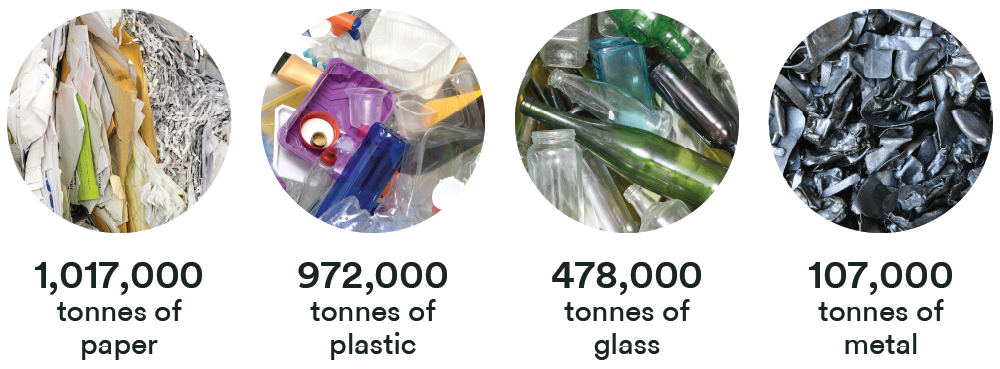
APCO estimated 5.8 million tonnes (86 percent) of packaging on the market that year had “good recyclability”, meaning it could be readily collected, stored and processed, and that there are well-established markets for the recycled content.
The “good recyclability” classifications for glass, metal, and paper packaging are 100 percent, 99.9 percent, and 93 percent respectively.
However, our recycling rates for these items are falling well short of this, at 63 percent for glass, 58 percent for metal, and 70 percent for paper.
But plastic is the main offender. Only 60 percent of plastic packaging has APCO’s “good recyclability” tick, and in 2020-21, Australia was only recycling 18 percent of this material.
A different take on recycling services
The good news is, virtually everything has a technical recycling solution. The roadblocks for consumer access to these solutions comes down to economics.
Packaging and products are accepted by kerbside recycling services when the cost to collect and process them is less than the value of the recycled material. It’s often not economically viable to recycle complex, multi-material items, as collection and processing costs outweigh the value of the recycled material.
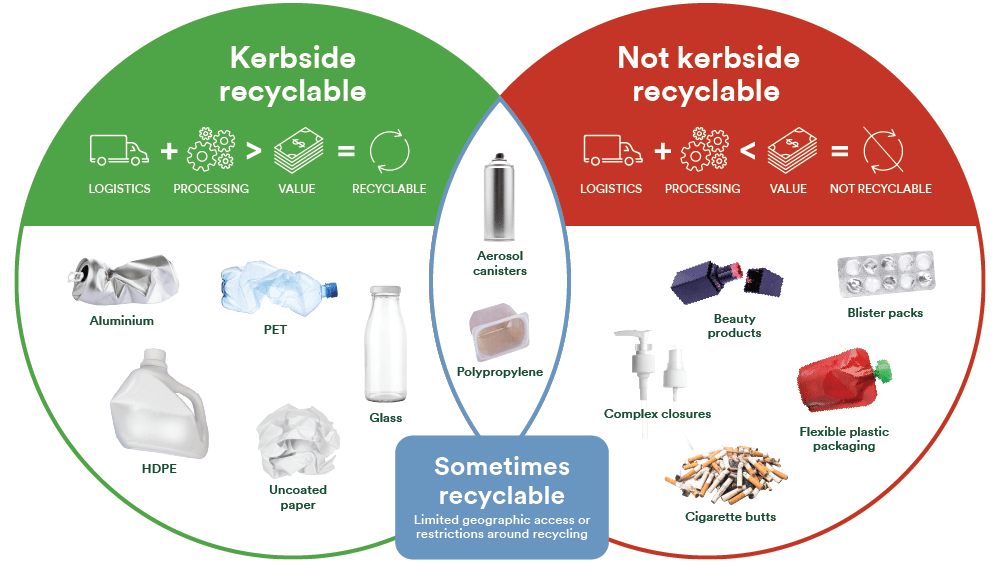
At TerraCycle, we’re focussed on finding innovative approaches that make it possible to recycle hard-to-recycle rubbish by working with brands, retailers, and other stakeholders to meet the gap between cost and resale value of recycled materials. This voluntary extended producer responsibility provides greater access to more recycling solutions while adding value to brands through consumer engagement.
How government can work with TerraCycle to recycle more
Local councils and community centres around the country already use our recycling solutions for hard-to-recycle waste. We have more than 70 councils signed up to our free recycling programs, collecting and recycling in their workplaces or for their communities as public drop-off points.
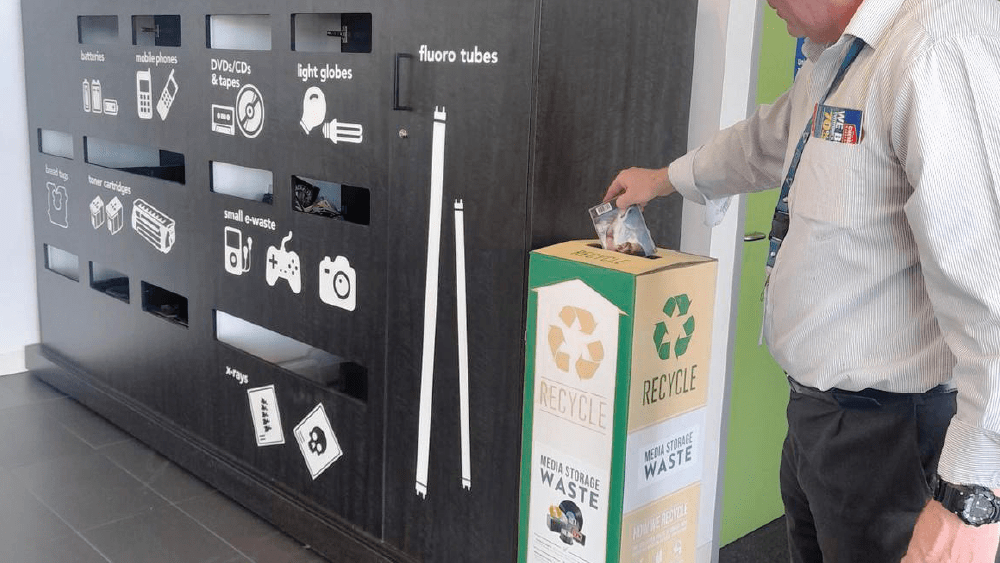
Many more use our Zero Waste Boxes as a paid solution to recycle even more kinds of complex rubbish. For example, Sorell Council in Tasmania has incorporated Zero Waste Boxes for items like ink cartridges, media storage, and bottle caps into their recycling hub where the public can drop off a range of hard-to-recycle household rubbish.
Local, state, and national governing bodies can have even greater impact by sponsoring solutions like these, or by partnering with TerraCycle on other recycling and reuse initiatives. You can check out the options at our recycling partnerships hub or contact our team at anzsales@terracycle.com to look for innovative ways for Eliminating the Idea of Waste®.
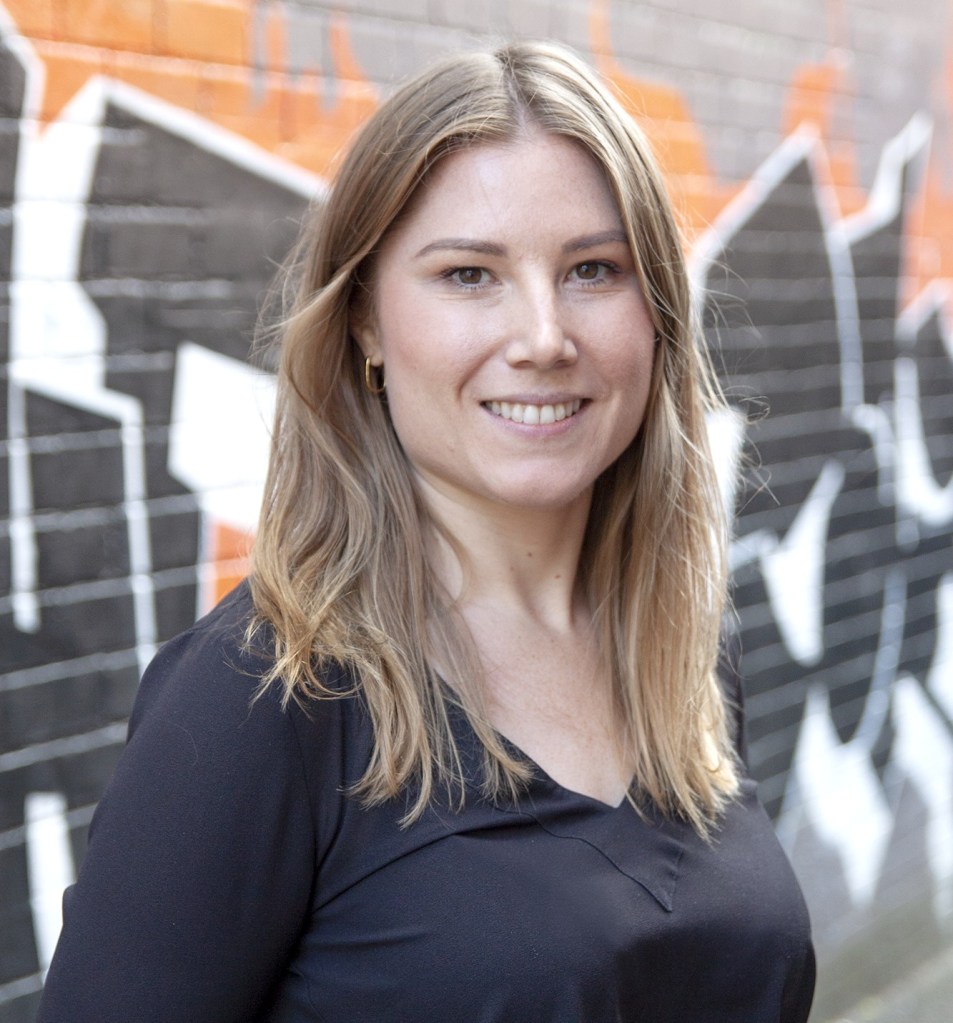
Fiona Hicks is Head of Business Development at TerraCycle Australia and New Zealand. She leads a team forging new partnerships with brands, businesses and government to create and operate first-of-their-kind platforms in recycling, recycled materials, and reuse. With over 10 years experience working with leading brands including Unilever, P&G and The Walt Disney Company, Fiona is passionate about supporting government agencies, local councils and companies to accelerate the transition to a circular economy.
 TerraCycle News